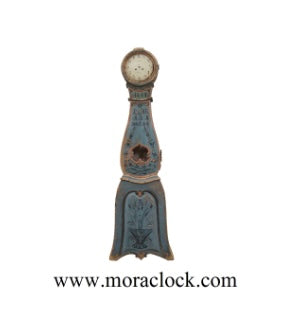

An antique Swedish Mora clock might be two hundred years old, but it has never felt more at home in a contemporary interior. With their elegant hourglass silhouettes, hand-painted folk art details, and quiet, rhythmic ticking, Mora clocks bring a warmth and depth to modern spaces that no reproduction piece can replicate. If you have recently acquired one — or are considering doing so — here is how to make the most of it in your home.
Why Mora Clocks Work in Modern Interiors
The secret to the Mora clock's versatility lies in its palette and form. Most antique examples are painted in soft, muted tones — cream, grey, white, and pale blue — with gold or gilt detailing. These are precisely the colours that dominate contemporary Scandinavian-influenced interiors, from the pared-back minimalism of modern Nordic design to the warmer, layered aesthetic of what has become known as "hygge" style. The clock's tall, slender profile also makes it a natural vertical accent in rooms where height needs to be emphasised — a common challenge in open-plan living spaces.
Design historians and interiors writers have long noted that truly well-made antiques tend to transcend period boundaries. As the Gustavian style — the Swedish Neoclassical aesthetic that influenced many Mora clocks — shares so much DNA with modern minimalism (restraint, natural materials, pale tones), it is perhaps unsurprising that these clocks feel so at ease in 21st-century homes.

Choosing the Right Spot
Placement is everything with a Mora clock. Because of its height — most examples stand between 180cm and 250cm — it needs a wall with enough vertical clearance and visual breathing room around it. Avoid positioning it in a cluttered corner or against a busy wallpaper pattern, which will compete with the clock's own decorative detail. Instead, consider these options:
- A hallway or entrance: This is the classic position for a longcase clock, and for good reason. A Mora clock in an entrance hall makes an immediate statement, setting the tone for the rest of the home. The relatively narrow depth of most Mora clocks — typically 20–26cm — means they fit comfortably even in modestly sized hallways.
- A living room alcove: If your living room has a chimney breast with flanking alcoves, a Mora clock is a superb choice for one of them. It fills the vertical space beautifully and creates a natural focal point without dominating the room.
- A dining room wall: A Mora clock in a dining room adds a sense of occasion and history to the space. Position it on a plain painted wall — ideally in a complementary tone — and allow it to stand alone rather than surrounding it with other large pieces.
- A bedroom: For those who enjoy the gentle sound of a ticking clock, a Mora clock in a bedroom can be deeply atmospheric. Choose a working example with a soft chime rather than a loud strike if you are a light sleeper.
Colour Pairing
The painted finish of your Mora clock should guide your colour choices for the surrounding space. Cream and white clocks with gold detailing — among the most common finishes — work beautifully against walls painted in warm off-whites, soft sage greens, or pale dusty blues. Grey-painted clocks suit cooler, more contemporary palettes: think Farrow & Ball's "Elephant's Breath" or "Mole's Breath," or any of the sophisticated mid-grey tones that have become staples of modern interior design.
If your clock features hand-painted floral decoration in red, green, or blue — as many folk art examples do — you can afford to be bolder with your wall colour. A deep forest green or a rich terracotta can make the clock's decoration sing, particularly in a dining room or study where a more dramatic atmosphere is appropriate.
What to Pair It With
A Mora clock is a strong piece that does not need much company, but the right supporting furniture and accessories will enhance rather than compete with it. Consider the following pairings:
- Scandinavian antiques: A painted Swedish bench, a set of Gustavian chairs, or a simple pine console table will create a coherent Nordic aesthetic. The British Antique Dealers' Association (BADA) is a useful resource for finding reputable dealers in Scandinavian antique furniture.
- Natural materials: Linen, wool, raw wood, and stone all complement the organic quality of a hand-painted Mora clock. A jute rug, a linen sofa, or a reclaimed oak floor will all work harmoniously.
- Contemporary furniture: Do not be afraid to mix periods. A Mora clock looks striking alongside clean-lined contemporary furniture — the contrast between the clock's folk art decoration and the simplicity of modern design is part of the appeal. Keep the surrounding furniture low and uncluttered to let the clock's height and presence do the work.
- Plants and botanicals: The floral motifs on many Mora clocks make them natural companions for living plants. A large potted plant — a fiddle-leaf fig, an olive tree, or a simple arrangement of dried grasses — placed nearby will echo the clock's decorative language in a fresh, contemporary way.
Lighting
Good lighting can transform the way a Mora clock looks in a room. A picture light mounted above the clock, or a directional spotlight aimed at it, will highlight the texture of the painted decoration and the warmth of the aged wood. In the evening, the soft glow of nearby table lamps or candles will bring out the gold detailing in a way that overhead lighting rarely achieves. Avoid harsh, cool-toned lighting, which can flatten the clock's colours and make it look washed out.
Caring for Your Clock
A Mora clock is a living piece of history, and it deserves to be treated as such. Keep it away from direct sunlight, which can fade the painted decoration over time, and from sources of heat or damp, which can cause the wood to warp or crack. Dust it gently with a soft cloth, and avoid using chemical cleaners on the painted surfaces. If the movement needs servicing, seek out a specialist in antique clock restoration rather than a general clockmaker — the mechanisms in Mora clocks are specific to their period and region, and require sympathetic handling. Resources such as Wikipedia's article on longcase clocks provide useful background on the mechanics involved.
A Final Word
Styling a Mora clock in a modern home is less about following rules and more about trusting your eye. These are beautiful, characterful objects that have survived for centuries precisely because they reward attention and care. Give yours the space it deserves, surround it with materials and colours that complement its palette, and let it do what it has always done: mark the hours with quiet, unhurried grace. All of the Mora clocks in our collection are available for worldwide shipping, including to the USA, so wherever you are in the world, your perfect clock is just a few clicks away.